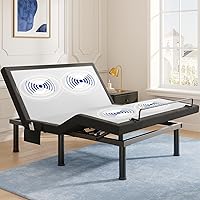
Wall Hugger Adjustable Base Guide
A wall hugger adjustable base shifts you toward the wall as the head rises, keeping you closer to your nightstand. A zero clearance base can sit flat without its legs on a compatible support surface.
On this page (8 sections)
- What does a wall hugger adjustable base do?
- What does zero clearance mean?
- Are wall hugger and zero clearance the same feature?
- Which design fits your room?
- What should you measure before buying?
- How can you tell which features a base has?
- Wall hugger or zero clearance: which should you choose?
- Choose by movement and placement
A wall hugger adjustable base moves you back as the head rises, helping you stay closer to a nightstand. A zero clearance base is designed to sit flat without legs on a compatible support surface.
These names describe different features. Wall hugger is about movement; zero clearance is about how the base rests when flat.
What does a wall hugger adjustable base do?
A wall hugger adjustable base shifts the bed surface toward the wall as the head section lifts. That movement can reduce how far you drift from a nightstand when you raise your upper body.
A base that raises the head without gliding back can move your upper body away from bedside items. A wall hugger design adds a glide path that moves the bed back during that lift.
The amount and path of movement depend on the model. Check the base’s setup instructions and allow room for the frame, mattress and any headboard or nearby furniture to move.
What does zero clearance mean?
Zero clearance means the base can lie flat on a compatible support surface without its legs. It may let you place an adjustable mechanism on a suitable platform or foundation.
The term does not mean the base needs no support or space for its moving parts. The surface underneath still needs to be suitable, and the base’s instructions set the allowed setup.
If you’re considering a platform, read our guide to putting an adjustable base on a platform bed. For a broader overview of sizing and features, see the adjustable bed base buying guide.
Are wall hugger and zero clearance the same feature?
They describe different features: wall hugger describes how the base moves as it raises the head, while zero clearance describes whether it can rest flat without legs.
A base can have one feature without the other. Check both separately if you want to stay near a nightstand and set the base on a low platform.
Which design fits your room?
Choose a wall hugger base for bedside reach if raising your head tends to move you away from a nightstand or other bedside item. Measure the space around the bed, since the bed and mattress still need room to move.
Choose a zero clearance base for a compatible platform setup if you want the base to rest without its legs. Check the support requirements and the height of nearby furniture before you decide.
For a conventional bed foundation comparison, see adjustable base vs box spring. If your setup includes a headboard, review adjustable bed headboard brackets to understand the connection options.
What should you measure before buying?
Measure the mattress size, available bed space and nightstand position before choosing a base. Also check the allowed leg setup if you plan to use a platform.
Wall hugger movement does not remove the need for clearance. The headboard, wall, side tables and cords should stay clear through the full range of motion.
The S-Cape Wall Hugger Base is full size, while the Blissful Nights e6 Split King Wall Glide Base uses 2 Twin XL bases and requires 2 Twin XL mattresses. The FlexiSpot S3K-Lite King Zero Clearance Base is king size, so match the base format to your mattress and room.
How can you tell which features a base has?
Check for wall hugger or wall glide movement and zero clearance placement separately. Adjustable legs alone do not establish that a base supports zero clearance use.
The S-Cape Wall Hugger Base has wall hugger movement and adjustable legs. It lifts the head section while gliding back toward the wall.
For a platform setup, confirm that the base can rest flat without legs and that the platform is an approved support surface. If the instructions are unclear, ask the manufacturer before placing the base.
Wall hugger or zero clearance: which should you choose?
Choose wall hugger for reach if keeping your position near the nightstand while raising your head is the main concern. Choose zero clearance for placement if you need a base that can sit flat on a compatible support surface.
If you need both, choose a model whose manufacturer confirms both features. Then check its size, leg setup and movement clearance against your room before ordering.
For a room where bedside access matters most, compare wall glide movement and measure your nightstand gap. For a low platform arrangement, focus on zero clearance instructions and the support surface.
Choose by movement and placement
Pick a wall hugger adjustable base for bedside reach, or a zero clearance base for a compatible setup without legs. If both needs apply, confirm both features before choosing.
Match the mattress size first, then verify the support surface and clearance through the base’s full range of motion. For more setup choices, read how to choose an adjustable bed base.
Frequently asked questions
What does wall hugger mean on an adjustable base?
A wall hugger base moves the bed surface back as the head section rises, which can keep you closer to a nightstand. The exact movement varies by model, so check how the base moves and whether the bed still clears your headboard, wall and nearby furniture.
What is a zero clearance adjustable base?
A zero clearance base can lie flat on a compatible support surface without using its legs. This can help when you want the adjustable mechanism without a separate raised frame, but confirm the base is designed for the surface you plan to use.
Can a zero clearance base go on a platform bed?
Some zero clearance bases can sit on a platform, but the platform must provide the support the base requires and leave room for moving parts. Check the base and platform instructions for compatibility, dimensions and any clearance needs before setup.
Do wall hugger and zero clearance mean the same thing?
No, wall hugger describes how a base shifts as the head rises, while zero clearance describes whether the base can rest flat without legs. A model may have one feature, both, or neither, so compare each feature separately before choosing a base for your room.